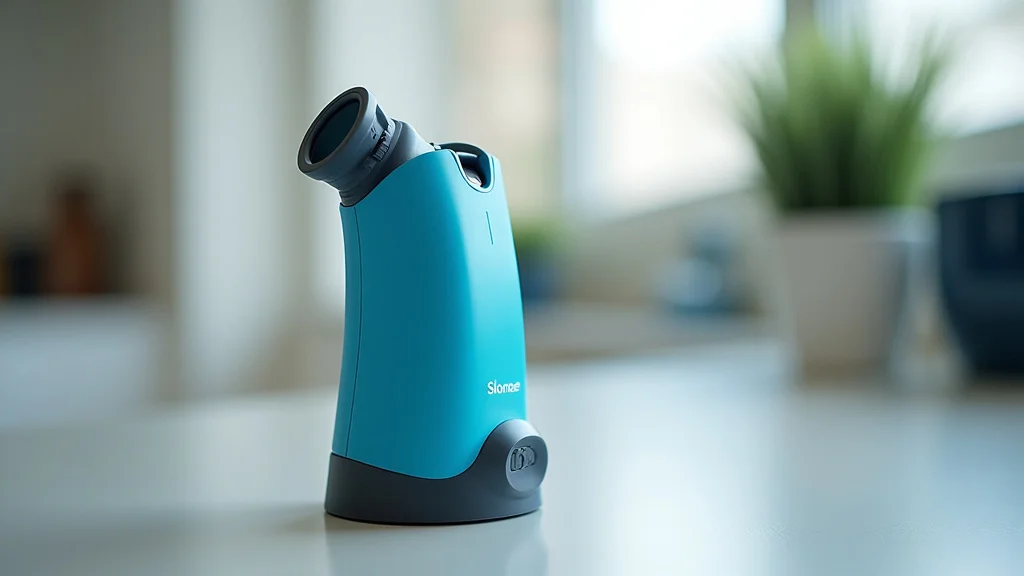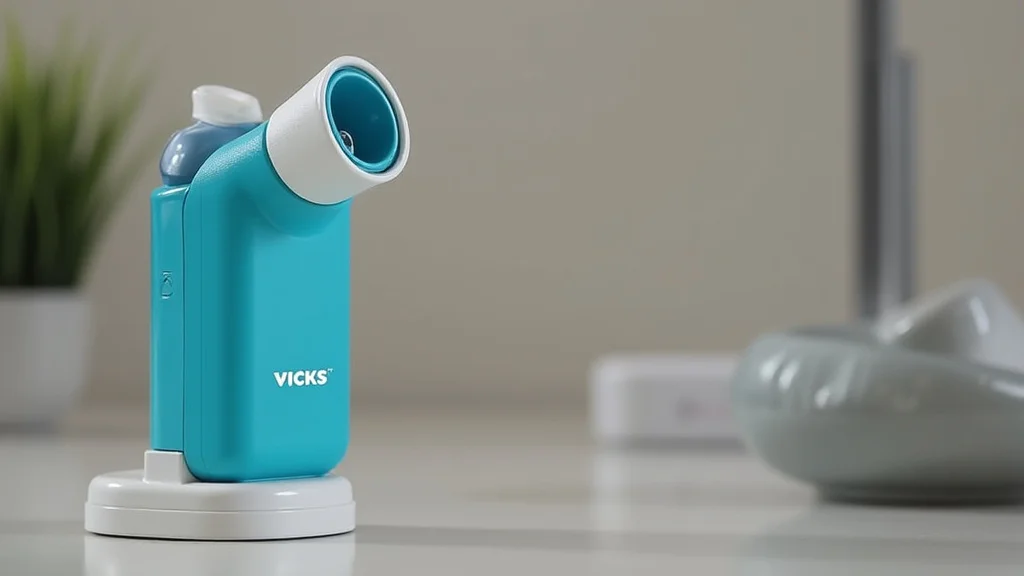
Many people reach for a vicks inhealer when they feel stuffed up. It seems simple enough, but sometimes, getting the most out of it can be a little tricky, especially if you’re new to it. Don’t worry, though!
This guide breaks down everything you need to know in easy steps. We’ll show you exactly how to use it right so you can breathe easier, and then we’ll explore other ways it can help.
Key Takeaways
- You will learn the correct way to use a Vicks inhaler for maximum relief.
- Discover the key ingredients in a Vicks inhaler and how they work.
- Understand the different situations where a Vicks inhaler can be beneficial.
- Find out about important safety tips and when not to use it.
- Explore alternative uses and related products for nasal congestion.
How Vicks Inhalers Provide Relief
Vicks inhalers are a popular choice for quick nasal relief. They work by delivering medicated vapors directly into your nasal passages. This can help to open up airways and make breathing feel easier when you have a stuffy nose.
The feeling of relief can be almost immediate, making them a go-to product for many.
The Science Behind the Sensation
The magic inside a Vicks inhaler comes from a blend of aromatic ingredients. Menthol is a key player. It creates a cooling sensation that tricks your brain into thinking your airways are more open.
Camphor also contributes to this cooling effect and can help to loosen mucus. Eucalyptol, derived from eucalyptus oil, adds to the invigorating scent and may have some decongestant properties. These elements combine to create a powerful, yet gentle, way to tackle nasal stuffiness.
When you inhale, these vapors interact with the sensitive lining of your nasal passages. This can trigger nerve receptors that signal for a reduction in swelling and mucus production. It’s like a refreshing blast that helps clear the fog and let you breathe freely again.
The specific combination is designed to be effective for common cold symptoms.
Many people wonder if the feeling of coolness is actually opening their nose. It’s a great question! The cooling sensation is a sensory response.
While it doesn’t physically widen your nasal passages, it makes the feeling of being congested much less intense. This mental relief, combined with the mild decongestant effects, leads to a noticeable improvement in breathing comfort.
Key Ingredients and Their Roles
Let’s look closer at what makes a Vicks inhaler work so well. Menthol is probably the most recognized ingredient. It’s a natural compound found in mint plants.
When inhaled, it creates a cooling sensation on the skin and mucous membranes. This cooling effect can temporarily relieve minor aches and pains, and in the case of a Vicks inhaler, it makes breathing feel easier by tricking your senses.
Camphor is another important ingredient. It’s a waxy, flammable, white or transparent solid. It has a strong smell and taste and is often used in topical pain relievers.
When used in an inhaler, it can help to reduce inflammation and loosen mucus. Its aroma is also quite invigorating, which adds to the overall feeling of freshness.
Eucalyptol, also known as 1,8-cineole, is the main component of eucalyptus oil. It’s known for its refreshing scent and its ability to help clear congestion. It can work by reducing inflammation in the airways and thinning mucus.
This makes it easier to cough up or blow out, helping to clear your nasal passages more effectively.
The combination of these ingredients creates a synergistic effect. They work together to provide a multi-faceted approach to nasal relief. This means you get a cooling sensation, mucus thinning, and a general feeling of clear airways all from one simple product.
It’s a carefully balanced formula.
Other components often include ingredients like methyl salicylate, which can also contribute to the cooling sensation and has mild analgesic properties. Pine oil and levomenthol might also be present in some formulations, further enhancing the aromatic and decongestant properties. The exact blend can vary slightly, but the core function remains the same.
These ingredients are generally recognized as safe when used as directed. However, it’s always wise to be aware of what you are putting into your body, even when it’s through inhalation. The goal is always to provide safe and effective relief.
How To Use Your Vicks Inhaler
Using a Vicks inhaler is straightforward, but a few tips can help you get the best results. It’s designed for quick, on-the-go relief. Remember, it’s for temporary use to help you feel better when you’re feeling congested.
Step-by-Step Application
First, make sure the inhaler is clean. Unscrew the cap. Hold the inhaler upright.
Place it just below one nostril. Close the other nostril with your finger. Take a slow, deep breath in through your nose.
Inhale the vapors deeply. You should feel the menthol and other vapors working. Repeat on the other side.
Close your eyes if the vapors feel strong. Screw the cap back on tightly after use to keep the vapors from escaping.
It’s important to inhale slowly and deeply. This allows the medicated vapors to reach further into your nasal passages. Don’t take quick, short sniffs.
A slow breath ensures the menthol and camphor have time to work their magic. Imagine you’re gently drawing the vapor in. This is key for effective relief.
After each use, it’s a good idea to wipe the tip of the inhaler with a clean, dry cloth. This helps keep it hygienic for the next time you need it. Also, always store it in a cool, dry place away from direct sunlight.
This preserves the potency of the active ingredients.
When using, try to relax. Take your time with each breath. This isn’t a race.
The more relaxed you are, the better you can focus on the sensation of relief. It’s a moment to focus on yourself and your breathing. This simple act can make a big difference in how you feel.
Avoid sharing your Vicks inhaler with others. It’s a personal item, like a toothbrush. Sharing can spread germs and is not hygienic.
Each person should have their own inhaler for their own needs. This ensures personal safety and hygiene for everyone.
Tips for Maximum Effectiveness
To get the most out of your Vicks inhaler, consider the timing. It’s often most effective when you first feel congestion starting. Using it early can help manage symptoms before they become severe.
Don’t wait until you’re completely blocked up.
Breathing through your nose is crucial. If you tend to breathe through your mouth, consciously try to inhale through your nose when using the inhaler. This ensures the vapors go where they need to.
You might even want to practice a few deep nasal breaths before using it.
The environment can also play a role. Using the inhaler in a quiet, comfortable setting can enhance the experience. Take a moment to yourself.
If you’re at home, find a comfortable chair. If you’re out and about, find a quiet spot where you can focus on your breathing.
Some people find it helpful to gently massage their nose after using the inhaler. This can help to further stimulate the nasal passages and distribute the vapors. A gentle upward motion on the bridge of your nose can feel quite soothing.
This is an optional step but can add to the overall comfort.
Remember that a Vicks inhaler is for temporary relief. It doesn’t cure the underlying cause of your stuffy nose, like a cold or allergies. It helps you feel better while your body fights off the issue.
It’s a tool to manage discomfort, not a medical treatment for illness.
When to Use a Vicks Inhaler
A Vicks inhaler is a handy tool for several common discomforts. It’s primarily designed for temporary relief of nasal stuffiness. This can happen for various reasons, from a common cold to allergies.
Relief from Colds and Flu
When you catch a cold, your nasal passages often become swollen and produce extra mucus. This makes it hard to breathe through your nose. A Vicks inhaler can offer quick comfort.
The menthol and camphor create a feeling of open airways. This can make sleeping or going about your day much easier. It’s like a breath of fresh air when you need it most.
During flu season, congestion can be a major symptom. A Vicks inhaler can provide a sense of relief from that heavy, blocked-up feeling. It doesn’t shorten the flu, but it can make the experience more bearable.
Many people keep one in their medicine cabinet for just these times.
The vapors help to create a sensation of clear breathing. This is especially helpful at night when congestion can disrupt sleep. A good night’s rest is vital for recovery, and the inhaler can contribute to that.
It helps you feel more comfortable and allows your body to focus on healing.
It’s important to note that a Vicks inhaler does not contain any medicinal drugs that cure colds or flu. It works by providing symptomatic relief through its aromatic vapors. The effect is temporary, but the comfort it provides can be significant.
Many users find the invigorating scent also helps them feel more alert. When you’re feeling run down, a little pick-me-up can be very welcome. The strong, fresh aroma can be a mental as well as a physical decongestant.
Allergy Symptoms
Allergies, whether seasonal or from other triggers, can also cause significant nasal congestion. Pollen, dust, and pet dander can all irritate your nasal passages, leading to swelling and mucus. A Vicks inhaler can offer temporary relief from this discomfort.
While it won’t address the underlying allergic reaction, the immediate feeling of clearer breathing can be a great help. It’s a portable solution you can use whenever allergy symptoms flare up. Keep one in your bag for those unexpected moments.
The cooling sensation can be particularly pleasant when your nasal passages feel irritated or inflamed due to allergies. It provides a distraction from the discomfort and offers a feeling of immediate relief. This can make dealing with allergy symptoms more manageable.
For allergy sufferers, consistency in using relief products is often key. While a Vicks inhaler offers quick, temporary relief, it’s best used in conjunction with other allergy management strategies. Consult with a healthcare professional for a comprehensive allergy treatment plan.
The aromatic components can help to cut through the stuffiness, making it feel like you can breathe more freely. This is especially useful when you’re trying to concentrate or get through a busy day. It offers a simple way to manage a common allergy symptom.
Other Situations
Sometimes, nasal stuffiness can be caused by environmental factors, like dry air or exposure to irritants. Even changes in weather can sometimes lead to a stuffy nose. A Vicks inhaler can provide a quick pick-me-up in these situations as well.
For example, if you’ve been in a smoky environment or an area with strong fumes, the vapors can help clear your nasal passages and refresh your senses. It’s a simple way to feel more comfortable after exposure to unpleasant air quality.
It can also be useful before activities that require clear breathing, such as public speaking or exercise. Feeling congested can be distracting, and the inhaler can offer that temporary boost of clarity. This can help you feel more confident and perform better.
Some people use it during travel, especially on airplanes, where changes in air pressure can sometimes lead to sinus pressure or congestion. It’s a small, portable item that can be easily carried in a carry-on bag. This makes it convenient for relief on the go.
Remember, it’s always best to use the inhaler as directed on the packaging. If your congestion is severe or persistent, it’s a good idea to consult a doctor. They can help determine the cause and recommend the best course of treatment.
Safety Precautions and Warnings
While Vicks inhalers are generally safe when used as directed, it’s important to be aware of some precautions. These help ensure you get the most benefit without any unwanted side effects.
Who Should Be Cautious
Children under a certain age should not use Vicks inhalers. The strong vapors can be too intense for their developing nasal passages. Always check the product packaging for age recommendations.
For young children, other Vicks products like vapor rubs are often a better alternative.
Individuals with respiratory conditions, such as asthma, should use caution. The strong menthol and camphor can sometimes trigger bronchospasm, which is a tightening of the airways. If you have asthma, talk to your doctor before using this product.
They can advise if it’s safe for you.
Pregnant or breastfeeding women should also consult their doctor. While the ingredients are inhaled and not ingested, it’s always best to be safe and get professional medical advice regarding the use of any medicated product during pregnancy or when nursing.
People with known sensitivities or allergies to any of the ingredients should avoid using the inhaler. Always check the ingredient list on the packaging to ensure you are not allergic to menthol, camphor, or other components. A patch test on your skin is not applicable here, but awareness of ingredients is key.
If you experience any unusual reactions, such as severe irritation, dizziness, or a worsening of your symptoms, stop using the inhaler immediately. Seek medical attention if your symptoms are severe or persistent. Your health and safety come first.
When Not to Use
Do not use a Vicks inhaler on broken or damaged skin. While it’s for nasal use, some residual product might get on your skin. This is generally not an issue, but avoiding contact with wounds is always a good practice.
Avoid using the inhaler for extended periods or more often than recommended. Overuse can potentially lead to irritation or other adverse effects. Stick to the instructions on the packaging for safe and effective use.
It’s designed for temporary relief.
Never insert the tip of the inhaler into your nostril further than is comfortable. It should be held just below the nostril. Pushing it too far in can cause discomfort or minor injury.
Gentle placement is key.
Do not use the inhaler if it appears damaged or if the cap is not sealing properly. This could mean the product has lost its potency or has been contaminated. In such cases, it’s best to replace it.
If your nasal congestion is accompanied by other serious symptoms like high fever, ear pain, or thick yellow or green mucus that persists, consult a healthcare professional. These could be signs of a more significant infection that requires medical treatment, not just symptomatic relief.
Common Myths Debunked
Myth 1: Vicks inhalers contain strong drugs.
Reality: Vicks inhalers primarily use aromatic ingredients like menthol and camphor. These provide a sensation of relief and help loosen mucus but are not strong pharmaceutical drugs in the way prescription medications are. Their action is more about sensory perception and temporary decongestion.
Myth 2: You can use a Vicks inhaler all day long for constant relief.
Reality: Vicks inhalers are intended for temporary relief and should be used as directed. Overuse can lead to irritation or make your nasal passages feel dry or sensitive. It’s best to use it when you genuinely need it for a short period.
Myth 3: Vicks inhalers cure colds.
Reality: Vicks inhalers do not cure the common cold or any other illness. They help to alleviate the symptoms of nasal congestion, making you feel more comfortable while your body fights off the infection. They manage discomfort, not the illness itself.
Myth 4: Vicks inhalers are safe for babies.
Reality: Vicks inhalers are generally not recommended for babies or very young children. The strong vapors can be too intense for their sensitive airways. It is crucial to check the product packaging for age recommendations and consult a pediatrician for appropriate treatments for infants.
Myth 5: The cooling sensation means your airways are physically widening.
Reality: The cooling sensation, primarily from menthol, is a sensory effect. It tricks your brain into feeling like your airways are more open, which provides relief. It doesn’t physically dilate your nasal passages in a significant way, but the perceived openness is what helps you breathe easier.
Frequently Asked Questions
Question: How often can I use a Vicks inhaler?
Answer: You can typically use a Vicks inhaler every few hours as needed for temporary relief. Always follow the specific instructions on the product packaging for the recommended frequency.
Question: Can I use a Vicks inhaler if I have a sinus infection?
Answer: A Vicks inhaler can offer some temporary comfort for sinus congestion. However, if you suspect a sinus infection, it’s best to consult a doctor, as it may require medical treatment.
Question: What should I do if the vapors feel too strong?
Answer: If the vapors feel too strong, try holding the inhaler slightly further away from your nostril or taking shorter inhalations. You can also try closing your eyes.
Question: Can I use a Vicks inhaler with other cold medicines?
Answer: It is generally safe to use a Vicks inhaler with other over-the-counter cold medicines, but it’s always a good idea to check with a pharmacist or doctor, especially if you have underlying health conditions or are taking other medications.
Question: How long does the relief from a Vicks inhaler last?
Answer: The duration of relief can vary from person to person, but it typically lasts for a period of time, offering temporary comfort until it needs to be reapplied.
Summary
Using your Vicks inhaler correctly brings quick relief for stuffy noses. Focus on slow, deep breaths. Remember its ingredients like menthol and camphor work by sensation and temporarily easing congestion.
It’s a safe tool for colds and allergies when used as directed. Always check safety notes and use it when you need a breath of fresh air.